
Kasba Peth
The original village of Pune and its oldest peth, home of Kasba Ganpati and Lal Mahal.
Quick facts
- Known for:
- Kasba Ganpati, Lal Mahal
- Near:
- Shaniwar Wada
History
Kasba means a small town. Kasba Peth is where Pune began, as a settlement near the meeting of the Mula and Mutha rivers, and it is the oldest of all the peths. When Rajmata Jijabai and young Chhatrapati Shivaji Maharaj came to Pune, they lived at Lal Mahal on the edge of Kasba.
The story of Kasba Ganpati goes back to the same years. A small idol of Ganesh was found here, and Jijabai had a temple built for it around 1639. Kasba Ganpati became the guardian deity, or gramdevata, of Pune.
Known for today
- Kasba Ganpati, the first of the five Manache Ganpati. It leads the immersion procession on the last day of the Ganesh festival.
- Lal Mahal, rebuilt on the site of the home of Jijabai and Chhatrapati Shivaji Maharaj, with Shaniwar Wada nearby.
- Tambat Ali, the lane of the coppersmiths, where copper and brass utensils are still hammered by hand.
- Kumbharwada, the old area of the potters, busy before Diwali and the Ganesh festival.
- Old wadas and narrow lanes.
Something wrong or missing on this page? Suggest a correction
More in Peths of Pune
- Shaniwar Peth The peth around Shaniwar Wada, with old wadas, temples on the river bank and the Omkareshwar temple.
-
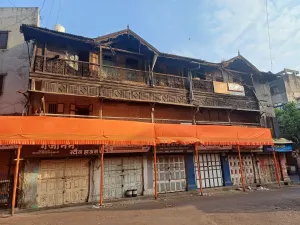 Budhwar Peth
The busiest peth of all, with Dagdusheth Ganpati, Tambdi Jogeshwari, book shops and the electronics market.
-
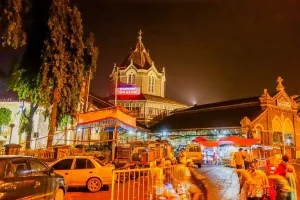 Shukrawar Peth
A large old peth with Mandai nearby, the Tulshibaug market and many traditional shops and wadas.
-
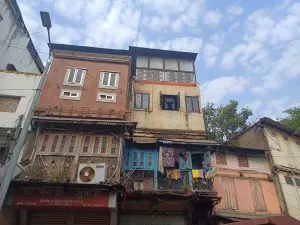 Raviwar Peth
The wholesale peth of Pune, with markets for utensils, cloth, hardware and almost everything else.
-
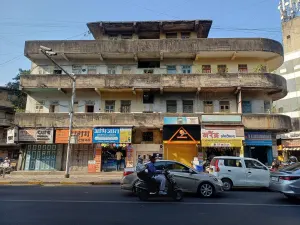 Sadashiv Peth
The peth of schools, classes and book lovers, named after Sadashivrao Bhau. The home of the classic "Puneri" spirit.
- Narayan Peth Named after Peshwa Narayanrao. Home of Kesari Wada, where Lokmanya Tilak lived and worked.
Sources: Written by PuneDiary. Facts checked 10 October 2026.