
Parvati Hill
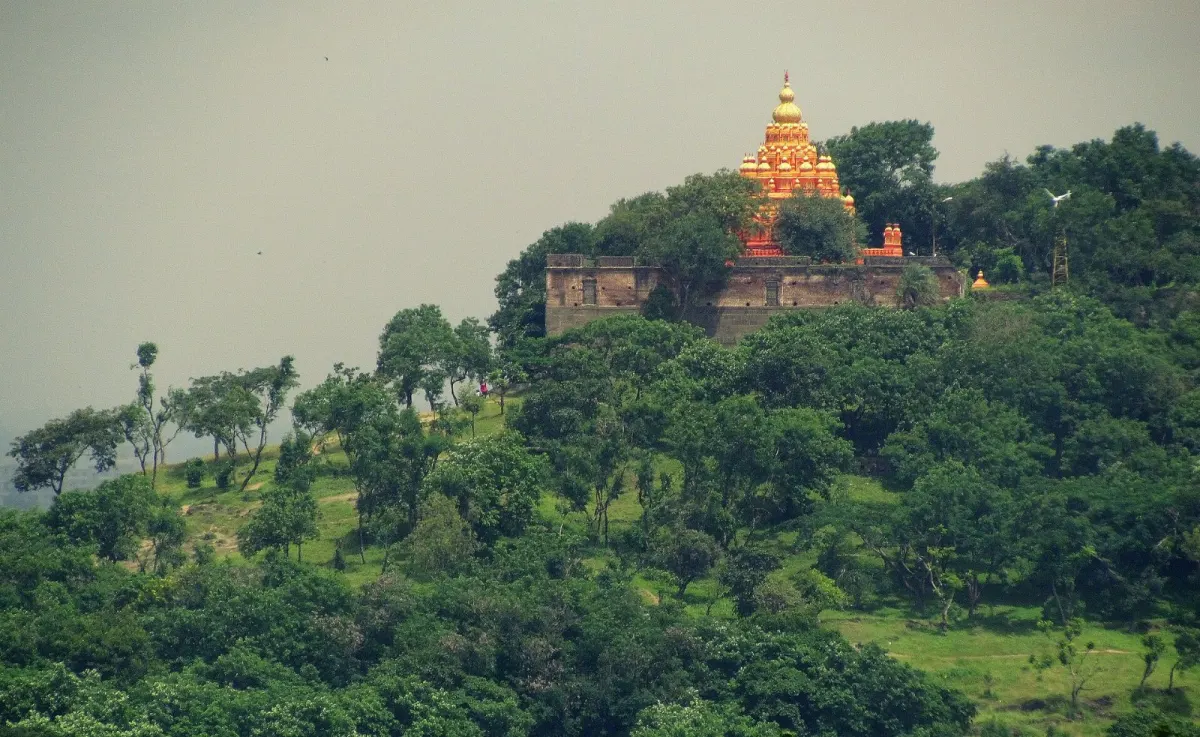
Temples on a hill in the heart of Pune, built by the Peshwas. Climb the steps for one of the best views of the city.
Quick facts
- Location:
- Parvati, near Swargate
- Height:
- About 640 m (2,100 ft) above sea level, second highest point in Pune after Vetal Hill
- Main temple completed:
- 1749, gold-plated pinnacle added in 1760
- Built by:
- Peshwa Balaji Bajirao (Nanasaheb)
- Steps:
- A little over 100 wide stone steps
- Timings:
- Usually about 5 am to 10 pm, check before visiting
History
Parvati Hill rises about 640 metres (2,100 feet) above sea level in the south of Pune. It is the second highest point in the city after Vetal Hill, and you can see it from many parts of Pune.
The hill once belonged to the Taware Patil family, whose family goddess had a small temple on top. People believed that the angara (sacred ash) from this temple cured a leg problem of Kashibai, mother of Peshwa Balaji Bajirao (Nanasaheb Peshwa). The Peshwa then bought the hill and built a temple complex here.
The main Devdeveshwar temple was completed in 1749. It is built of black stone, and a gold-plated pinnacle was added in 1760. Other temples, a homshala (fire ritual hall) and buildings for the Peshwa family followed over the years. It is counted among the oldest heritage structures of the Peshwa period in Pune.
Nanasaheb Peshwa was shattered by the Maratha defeat at the Third Battle of Panipat in January 1761. He spent his last days on Parvati and died here in June 1761. His samadhi (memorial) is on the hill.
What you can see today
- Devdeveshwar temple of Shiva and Parvati, with Ganesh, the main temple on the hilltop.
- The Kartikeya, Vishnu, Vitthal-Rukmini and Rama temples, plus small shrines of Surya and Bhavani.
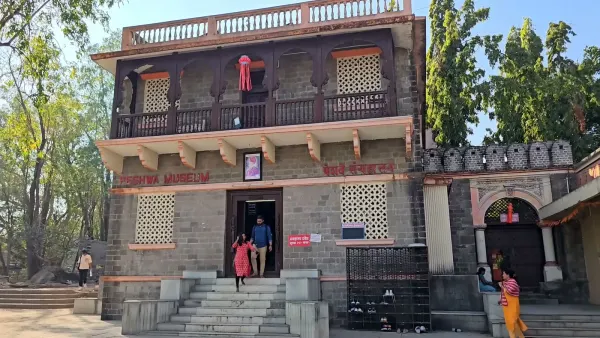
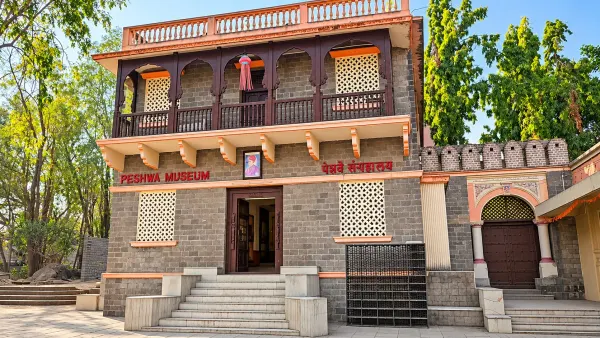
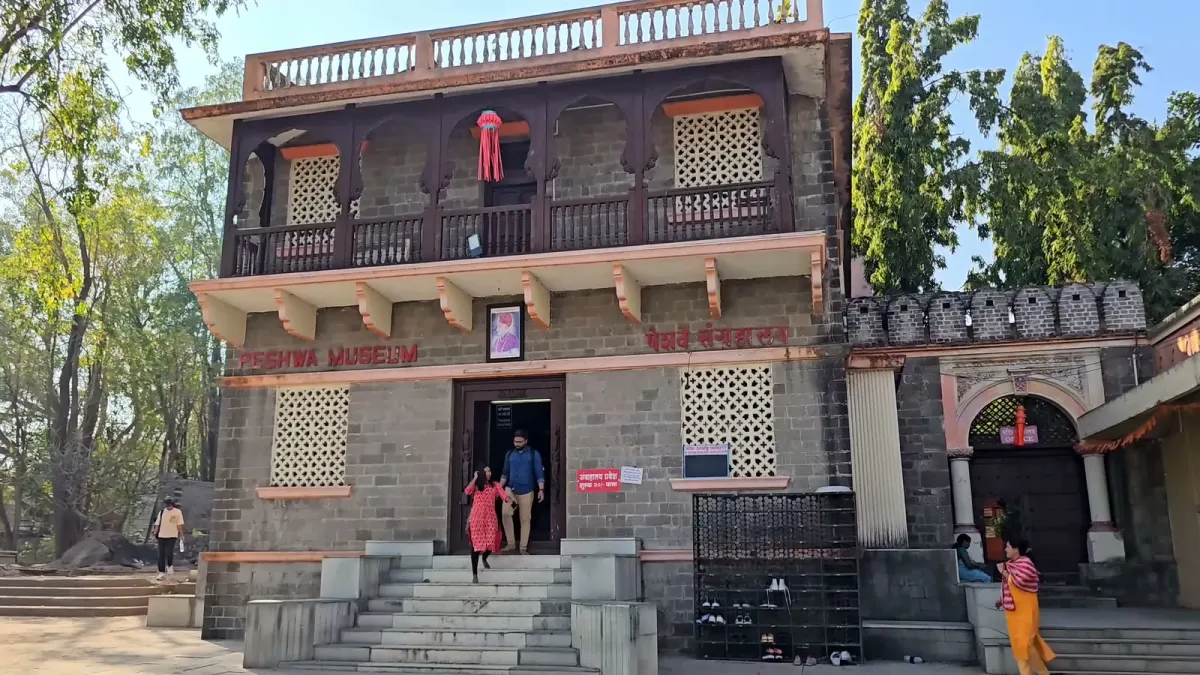
- The Peshwa Museum, with weapons, coins, utensils, wooden furniture, a palanquin and gifts from the Peshwa era.
- The samadhi of Nanasaheb Peshwa.
- An unfinished old rock-cut cave halfway up the south-eastern side, thought to be from the same age as the Pataleshwar caves.
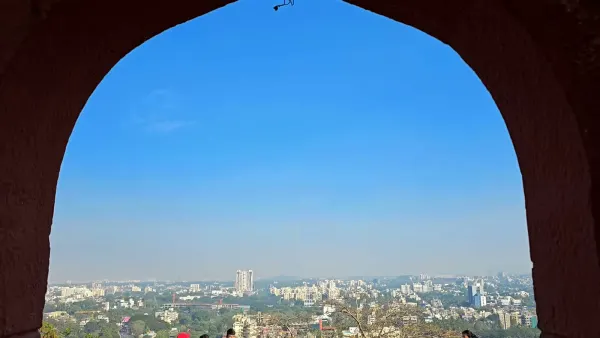
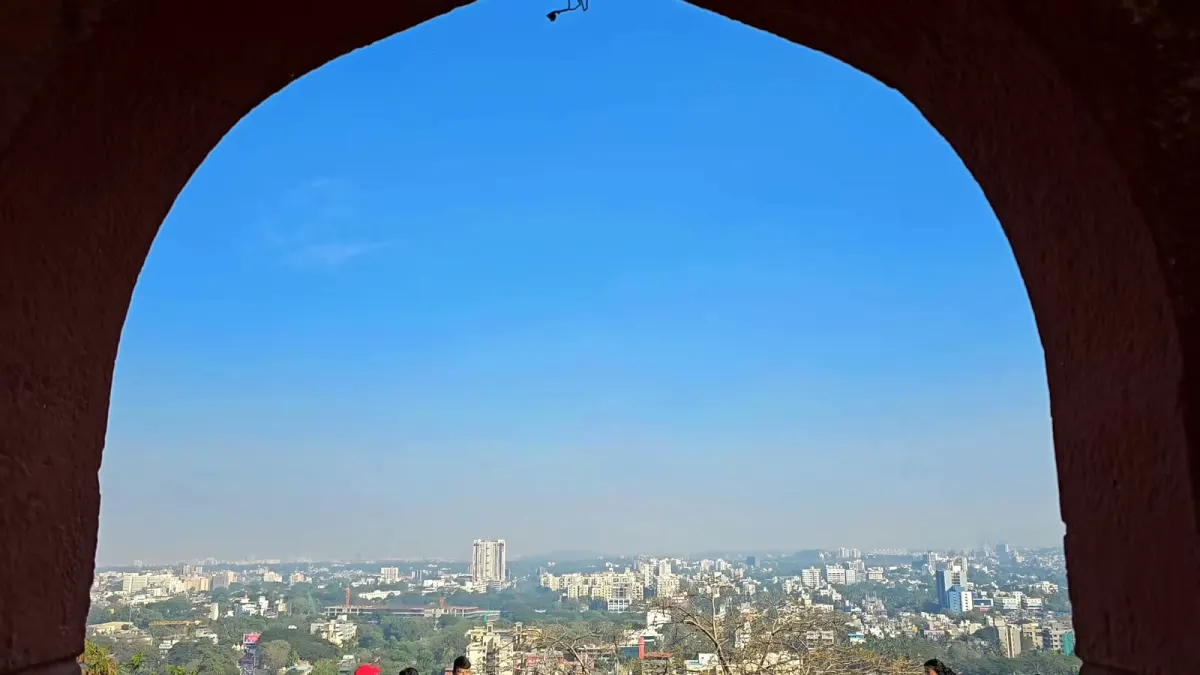
- Wide views over Pune city, Sinhagad Road and the hills around.
How to reach
Parvati Hill is close to Swargate and Saras Baug. The climb starts at the foot of the hill on the Parvati side. A little over a hundred wide stone steps lead to the gate at the top, and the climb is easy for most people.
Tips for visitors
- Go early in the morning or in the evening. Many Punekars climb Parvati for exercise, and the city view is best at sunrise and sunset.
- Carry water. The climb takes about fifteen to twenty minutes.
- The temples usually open from about 5 am to 10 pm. Timings can change, so check before you go.
- Combine the visit with Saras Baug at the foot of the hill.
Photos of Parvati Hill
-
 Actual image
Pune city seen through an arch on Parvati Hill -
 Actual image
A museum building on the hilltop -
 Actual photo, AI edited
Peshwa Museum on Parvati Hill -
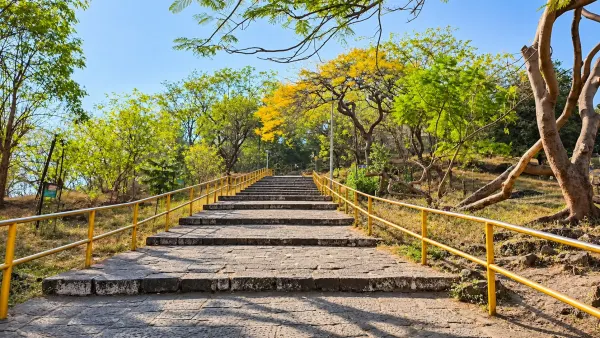 Actual photo, AI edited
Stone steps up Parvati Hill -
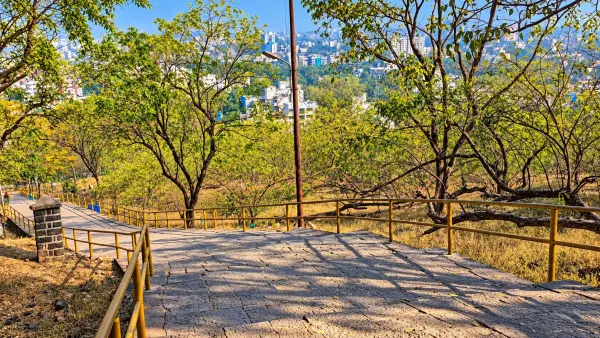 Actual photo, AI edited
Path on Parvati Hill with a view of the city
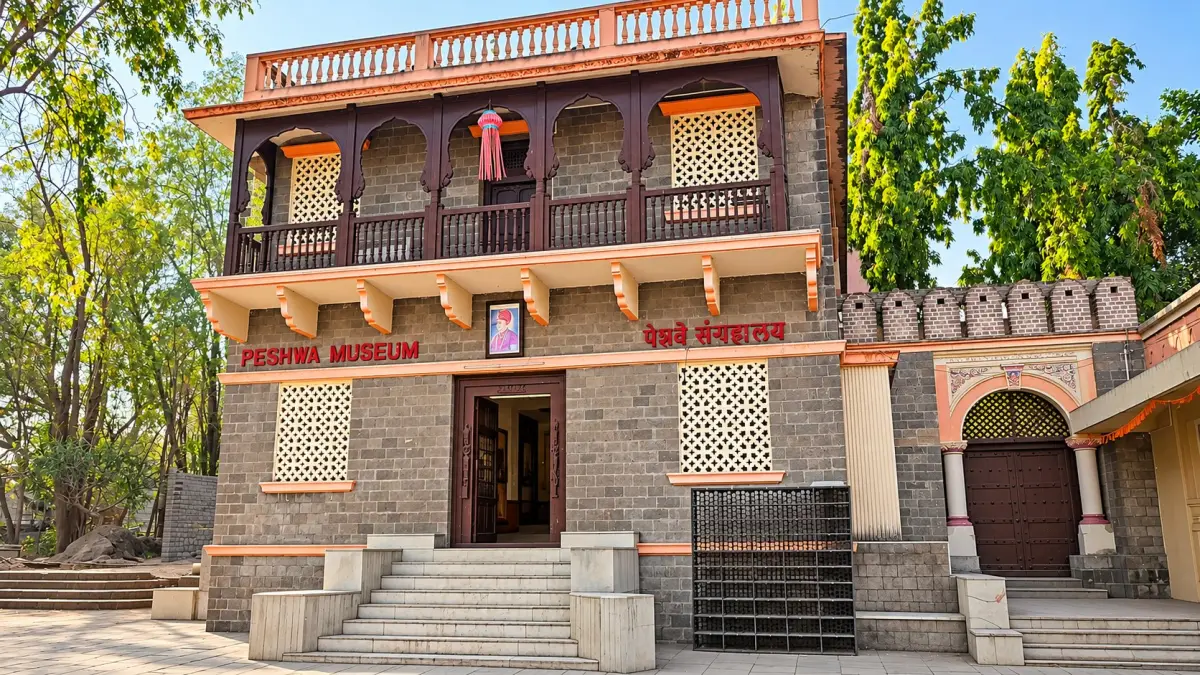
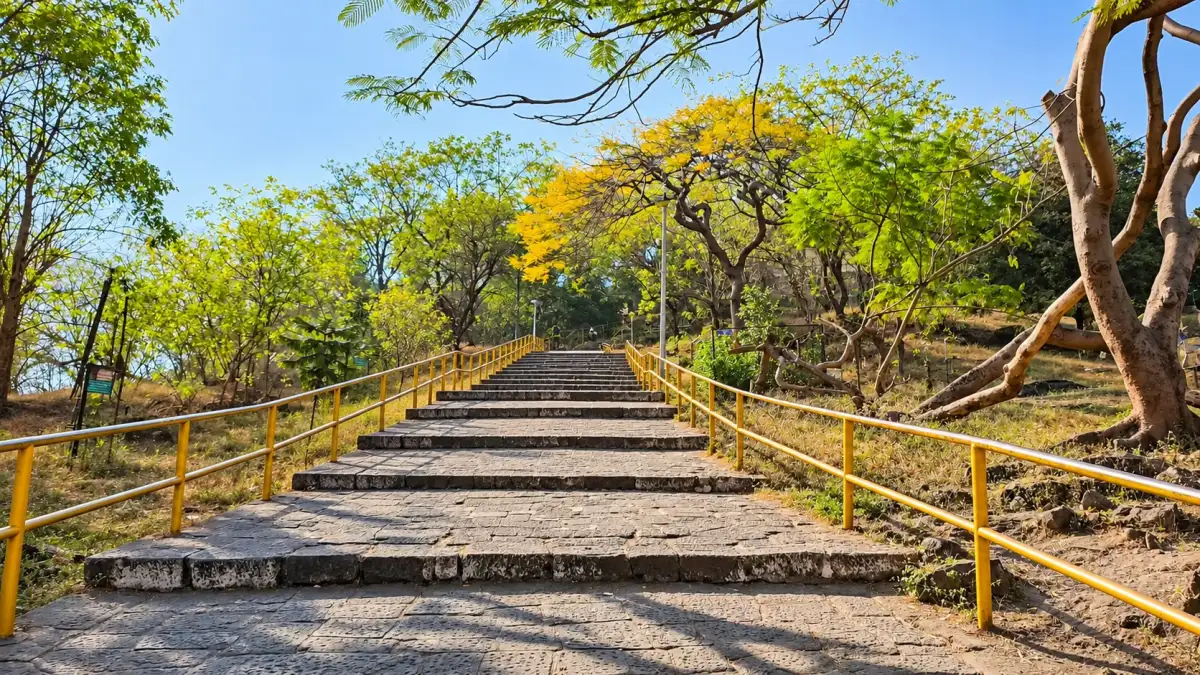
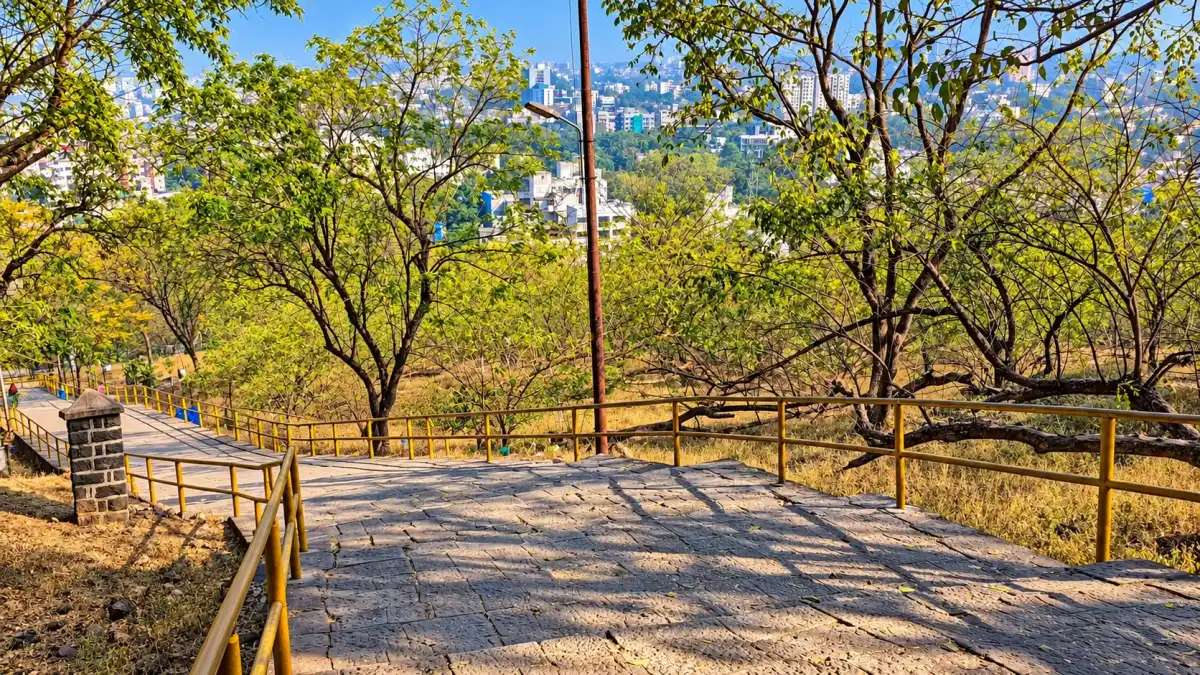
Photos by: Traveller Rishabh. Video: Top 15 Tourist Places In Pune.
-
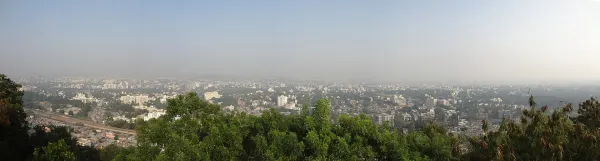 Actual image
Panorama of Pune city from Parvati Hill
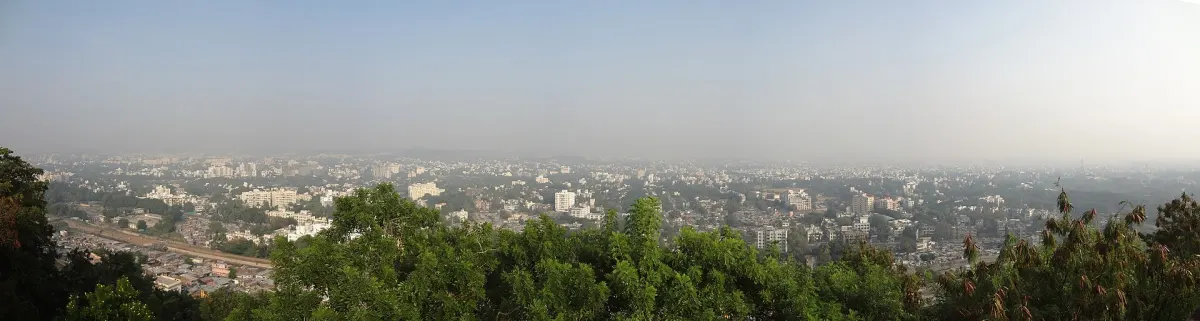
Photos by: Rishabh Tatiraju, CC BY-SA 3.0, via Wikimedia Commons.
Something wrong or missing on this page? Suggest a correction
More in Historical Pune
-
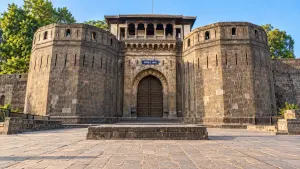 Shaniwar Wada
The fortified palace of the Peshwas in the heart of old Pune. Built in 1732, burnt in 1828, and still the best-known landmark of the city.
-
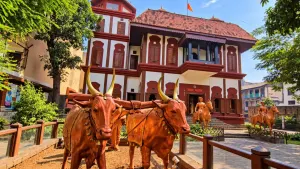 Lal Mahal
The palace where Chhatrapati Shivaji Maharaj spent his childhood with Jijabai. Rebuilt in the old city next to Shaniwar Wada.
-
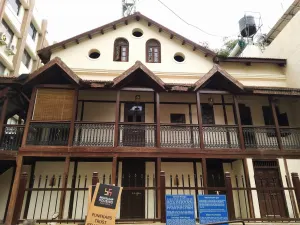 Kesari Wada
Home of Lokmanya Tilak and of the Kesari newspaper. A museum on Tilak and one of the best-known Ganesh festivals of Pune.
-
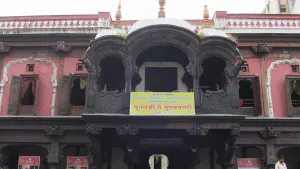 Vishrambaug Wada
The mansion of Peshwa Bajirao II, known for its carved wooden front. One of the finest wadas still standing in Pune.
-
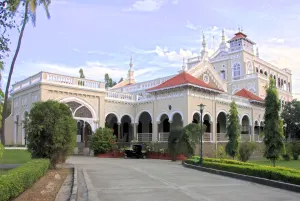 Aga Khan Palace
A grand palace from 1892 where Mahatma Gandhi was held during the Quit India movement. Kasturba Gandhi's memorial is here.
-
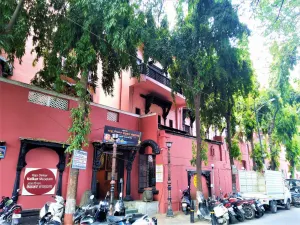 Raja Dinkar Kelkar Museum
One man's lifetime collection of everyday Indian art: lamps, musical instruments, nutcrackers and more, in a museum in the old city.
Questions and answers
Who built the Parvati Hill temples in Pune?
Peshwa Balaji Bajirao (Nanasaheb Peshwa) built the main Devdeveshwar temple, completed in 1749. More temples were added later.
How high is Parvati Hill in Pune?
About 640 metres (2,100 feet) above sea level. It is the second highest point in Pune after Vetal Hill.
How many steps are there on Parvati Hill?
A little over a hundred wide stone steps. Sources give slightly different counts, usually 103 or 108.
How long does it take to climb Parvati Hill?
About fifteen to twenty minutes on the stone steps, at an easy pace.
Where did Nanasaheb Peshwa die?
Nanasaheb Peshwa died on Parvati Hill in June 1761, months after the Third Battle of Panipat. His samadhi is on the hill.
Sources: Written by PuneDiary. Facts checked 1 November 2026.